
Skip to content
YOUR AQUATIC DESTINATION

Welcome Back!

Skip to product information
1 of 2

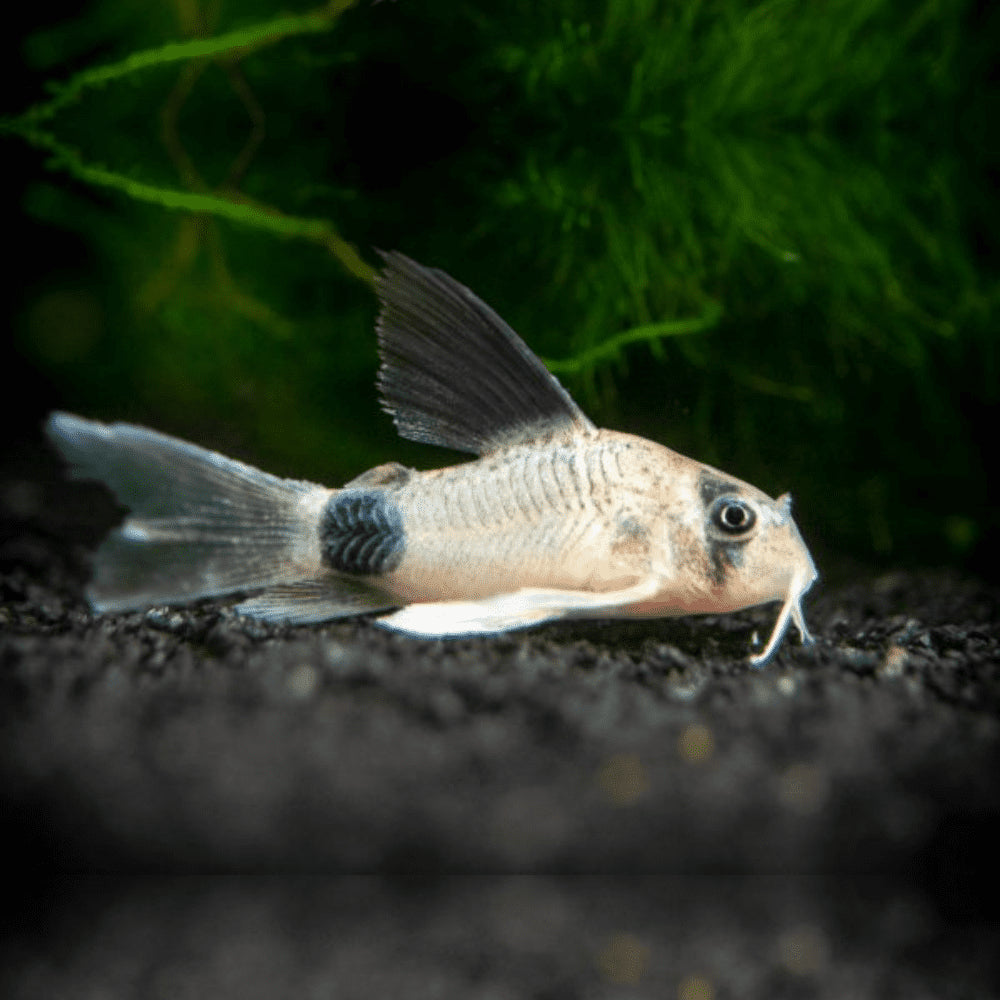
Corydoras Panda

Corydoras Panda

Regular price From €7,00
Sale price €7,00 Regular price
Sale Sold out
Tax included. Shipping calculated at checkout.

SKU

Product Type

34 in stock

Estimated delivery: 2-3 Days from order date.

Free Shipping & Returns: On orders above €70

  • Free Delivery & Free Shipping
  • Secure Online Payment
  • American Express
  • Apple Pay
  • Google Pay
  • Klarna
  • Maestro
  • Mastercard
  • PayPal
  • Shop Pay
  • Union Pay
  • Visa

More payment Option

View full details
Description

Description

The Panda Corydora – a delightful and endearing freshwater fish known for its adorable appearance and peaceful nature. The Panda Corydora is scientifically known as Corydoras panda With its distinct black and white coloration reminiscent of a panda, the Panda Corydora is a sought-after choice among aquarists seeking an eye-catching and harmonious addition to their aquarium.

Water Quality and Temperature:

  • Temperature: Maintain the water temperature between 72°F to 78°F (22°C to 26°C) to ensure the well-being and health of the Panda Corydora.
  • pH Level: Aim for a slightly acidic to neutral pH range of 6.0 to 7.5, replicating their natural habitat.
  • GH Level: Provide a general hardness (GH) level between 2 to 12 dGH to support their overall well-being.
  • KH Level: A carbonate hardness (KH) level between 2 to 10 dKH is recommended to maintain stable water conditions.
  • Native to the calm, shallow waters of South America, particularly in the Amazon River basin.

Feeding: The Panda Corydora is an omnivorous species and will readily accept high-quality sinking pellets, flakes, and small live or frozen foods such as bloodworms and brine shrimp. Offering a varied diet will ensure their optimal health.

Tank Mates: Panda Corydoras are peaceful and can coexist with other peaceful community fish, especially other Corydoras species and small, non-aggressive fish.

Substrates and Tank Decorations: Provide a sandy or fine-gravel substrate to mimic their natural environment. Decorate the aquarium with driftwood, rocks, and live plants to create hiding spots and enrich their surroundings.

Suitable Plants: Live plants like Java Moss, Anubias, and Cryptocoryne species are excellent choices, providing cover and creating a natural environment for the Panda Corydora.

Sexing: Sexing Panda Corydoras can be challenging, but females may have a fuller body, especially when they are carrying eggs.

Breeding: Breeding Panda Corydoras in captivity is possible by providing a separate breeding tank with gentle water flow and offering various hiding spots.

Maximum Size and Longevity: Panda Corydoras typically grow up to 2 inches (5 cm) in length. With proper care, they can live for approximately 5 to 7 years.

General Information: The Panda Corydora’s striking black and white markings make it a popular and cherished addition to any aquarium, delighting both beginners and experienced hobbyists alike.


Additional Information

The Angelfish (Pterophyllum scalare ) is a striking species among Fresh water fishes, known for its distinct appearance and unique coloration. Native to the Amazon Basin, this angelfish exhibits a beautiful blend of silvery and golden tones, often with dark vertical stripes running along its body. The striking contrast between the pale body and darker stripes gives the Angelfish a refined, elegant look, making it a popular choice among aquarists.

Angelfish thrive in warm water temperatures between 78°F and 82°F and require a tank of at least 20 gallons to swim comfortably. These fish enjoy a well-planted tank with plenty of hiding spots, as they feel more secure in an environment that mimics their natural habitat. Soft, smooth decorations are preferred, as their delicate fins can be easily damaged by sharp objects or strong currents. A gentle filtration system is recommended to maintain water quality without disturbing the peaceful nature of the fish.

Typically peaceful and non-aggressive, the Angelfish can become territorial, particularly during breeding. They are best kept with other peaceful, non- aggressive tankmates. A varied diet consisting of high-quality flakes, pellets, and live or frozen foods like brine shrimp, bloodworms, and daphnia will help maintain their health and vibrant colors.

With proper care, including regular water changes and stable water conditions, Angelfish can live 5 to 10 years. Their beautiful appearance, combined with their graceful swimming and calm temperament, makes them a stunning and serene addition to any community aquarium.

Angelfish is a fascinating aquarium fish that stands out with its vibrant colors. It belongs to the family Cichlidae and is native to the Freshwater.

This species has a care level of Moderate and requires a minimum tank size of 30 gallons (114 liters). It typically reaches a size of 5-6 inches (13-15 cm).

Preferred water parameters include a specific gravity (sg) of 1.000 - 1.010, pH ranging from 6.0-7.5, and a temperature between 78-82°F (25-28°C). Additionally, maintaining water hardness within the range of 5-12 dGH is essential.

For stocking, the recommended ratio is 1:2 M:F. The Angelfish is widely available and has a diverse diet that includes Omnivorous; will eat flakes, pellets, live foods like worms, and frozen foods like brine shrimp.

With a life span of 8-12 years, this species is known for its very easy care requirements. It is an ideal choice for both beginner and experienced aquarists. Providing a well-maintained tank environment with suitable water conditions will ensure the health and vibrancy of this captivating species.

The Best Food for Angelfish

Angelfish are easy to feed and will take all sorts of fish foods, floating or sinking. Some favorites include krill flakes, freeze-dried bloodworms and tubifex worms, and Hikari Vibra Bites. If you want to fatten up the adults to condition them for breeding, frozen bloodworms are a must-have.

Breeding Your Angel Fish?

It can be hard to spot the differences between males and females. Therefore, the easiest method of getting a breeding couple is to buy at least 6-8 juvenile angelfish, raise them to adulthood, and let them pair off naturally. Observe the Angel Fishes hanging out with the comfortable partner. Pick the best-looking pair and move them to their own Breeding aquarium for spawning. (A 20-gallon high breeding tank is a good size, since it has plenty of height for their fins to fully extend.) Once they breed, you can easily determine the sex since the female is the one laying the eggs.

How often do angelfish lay eggs? 

Angelfish readily breed and can lay hundreds of eggs every one to two weeks if the eggs are removed or eaten. (The first couple of spawns often fail because the new parents can end up consuming them.) However, with the right conditions and a little patience, your angelfish can successfully raise their own offspring. The eggs are typically laid on vertical surfaces like a stiff leaf, filter pipe, or a section of aquarium wall. Depending on the tank temperature, the eggs will hatch in two to three days, and the parents may move the newly hatched wigglers (fry that cannot swim freely yet) around the aquarium with their mouths. In another three to four days, the fry become free-swimming, and the parents will protectively keep their cloud of babies between them. At this time, start off the fry with tiny, nutritious foods like baby brine shrimp.

Fish Care
  • Temperature - 78-82°F (25-28°C)
    Breeding setups may require a slightly higher temperature of 28−30°C
  • General Hardness (GH): 3−8 dGH
    Soft to moderately hard water is ideal
  • Min. Tanksize - 30 gallons (114 liters)
  • Water Type - 1.000 - 1.010
  • Suitable PH - 6.0-7.5
    Slightly acidic to neutral water conditions.
  • Native - Amazon River Basin, Brazil, North America
  • Fish Type - Fresh Water
  • Origin - Captive-Bred
  • Max Size - 5-6 inches (13-15 cm)
  • Caring - Moderate


    Water Changes:
     Perform regular water changes to maintain stability and keep nitrate levels low. 

    Filtration:Use gentle but efficient filtration to maintain clean water without creating strong currents, as they are gentle swimmers

    Monitoring:Regularly monitor for ammonia, nitrite, and nitrate levels to ensure excellent water quality

FAQ's

Reviews

Customer Reviews

Be the first to write a review
0%
(0)
0%
(0)
0%
(0)
0%
(0)
0%
(0)
Back to top
Home Shop
Wishlist
Log in
×